
Travel is often about discovering new places, but sometimes it feels like stepping into another era. Certain destinations have the power to preserve history so vividly that they allow you to experience the past in the present. Even something as simple as capturing a boys dp while visiting such places reflects how people try to freeze moments that connect them to something timeless and meaningful.
The Beauty Of Historical Landscapes
Historical places carry a unique charm that modern cities often lack. Old streets, ancient architecture, and preserved landmarks tell stories without needing explanation. Walking through such environments creates a sense of connection to those who lived there before.
These places are not just tourist attractions. They are living records of history. Every structure, carving, and pathway holds a story that adds depth to the travel experience.
Learning Through Exploration
Traveling through historical locations offers more than visual appeal. It provides an opportunity to learn in a way that feels natural and engaging. Instead of reading about history, you experience it directly.
This approach to learning is similar to the idea of thoughtful observation found in figures like pedro vaz paulo, where understanding comes from exploring details and context. When you walk through a preserved site, you begin to understand how culture, architecture, and daily life have evolved over time.
Preserving Culture And Identity
Places that preserve the past play a crucial role in maintaining cultural identity. They keep traditions, languages, and stories alive for future generations. These locations act as bridges between history and modern life.
Platforms such as https://pmaygnicingramin.com highlight how structured systems aim to preserve and support communities. Similarly, historical destinations protect cultural heritage, ensuring that it is not lost over time.
The Role Of Language And Heritage
Language is a powerful part of cultural preservation. Many historical places reflect the linguistic roots of a region, showcasing how communication has evolved.
Resources like https://hindibarakhadi.net emphasize the importance of learning and preserving language structures. When visiting historical locations, you often encounter inscriptions, scripts, and symbols that connect directly to the past. These elements enrich the experience and deepen understanding.
Architecture As A Time Capsule
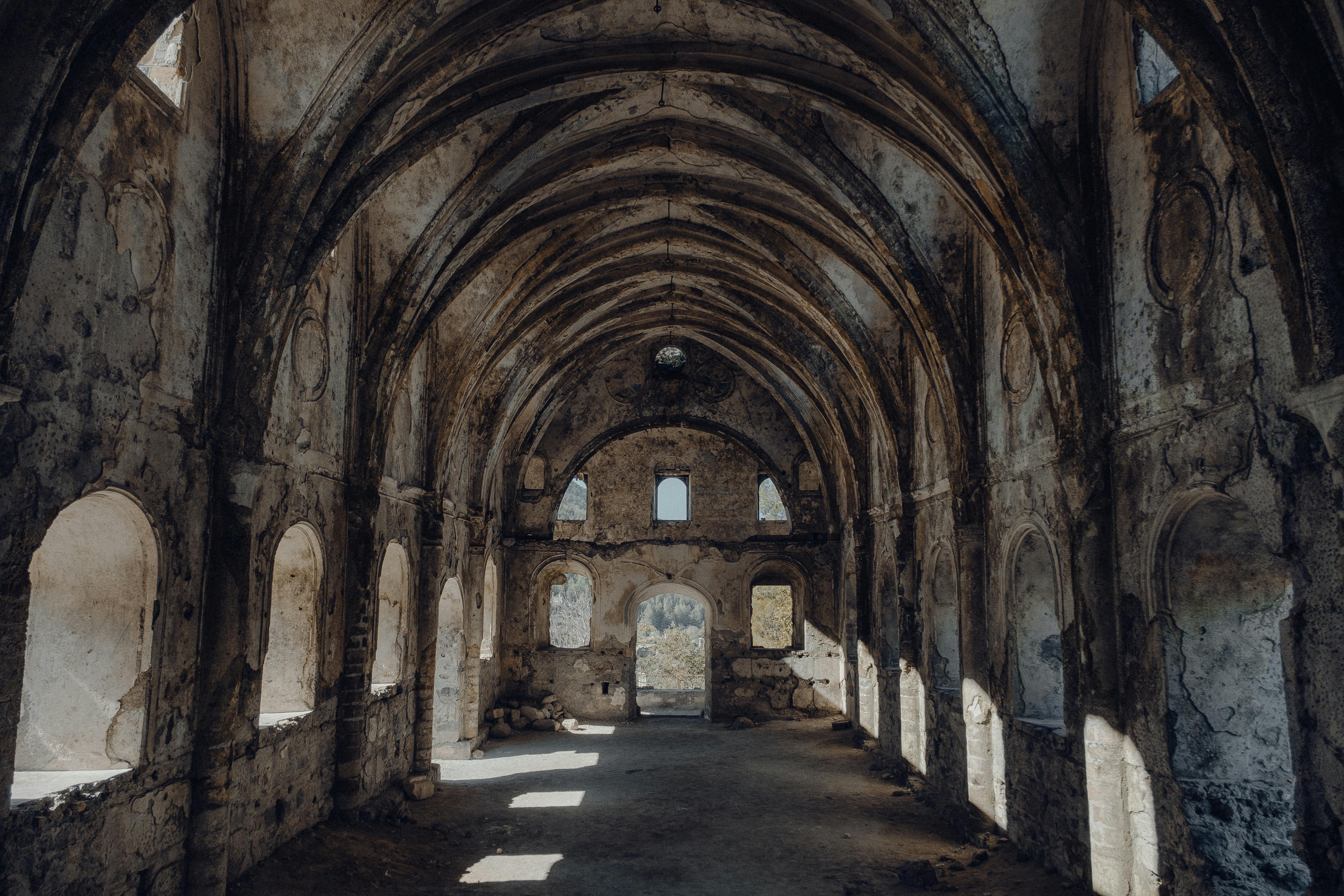
Architecture is one of the most visible ways the past is preserved. Buildings, monuments, and ruins act as time capsules, showing how people once lived, built, and expressed themselves.
From intricate carvings to grand structures, architecture reveals the creativity and skills of earlier generations. It also shows how design has changed over time, reflecting different needs and values.
Technology And Modern Travel
While historical places connect us to the past, modern technology enhances how we experience them. Digital guides, virtual tours, and online platforms make it easier to explore and understand these destinations.
Tools like snaptoid reflect how technology influences the way people access and share information. Travelers can now learn about historical sites before visiting them, making the experience more informed and meaningful.
Emotional Connection To The Past
Visiting places that preserve history often creates a strong emotional impact. Standing in a location where significant events occurred or where generations once lived can be a powerful experience.
These moments remind us of the passage of time and our place within it. They create a sense of continuity, connecting the present to the past in a meaningful way.
Balancing Preservation And Modernization
One of the biggest challenges in maintaining historical places is balancing preservation with modernization. While it is important to protect these sites, they must also remain accessible and relevant.
Careful planning ensures that these locations are maintained without losing their authenticity. This balance allows future generations to experience history in its original form while still benefiting from modern conveniences.
Conclusion
Traveling through time is not about going backward but about understanding where we come from. Places that preserve the past offer a unique opportunity to experience history in a tangible way. From architecture and language to culture and emotion, these destinations provide insights that go beyond typical travel experiences. They remind us that the past is not gone but continues to exist in the spaces we explore. By visiting and appreciating these places, we keep history alive and carry its lessons into the future.
